 by
by - Comprehensive step-by-step breakdown tailored to 2026 industry standards.
- Verified platforms, revenue strategies, and execution roadmaps.
- Actionable guidelines to maximize remote income potential.
Introduction
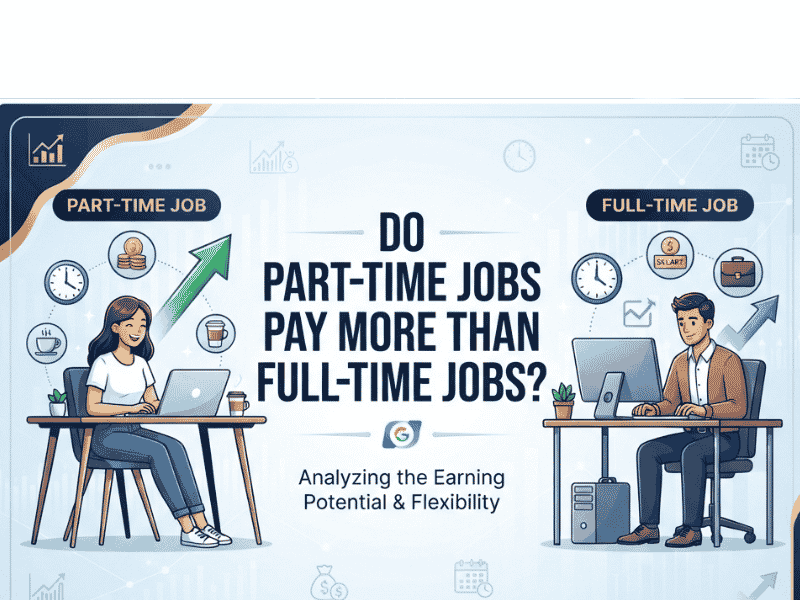
Many people looking for work ask the same important question: **Do part-time jobs pay more than full-time jobs?** The answer isn’t as straightforward as a simple yes or no. While some part-time positions offer surprisingly high hourly wages, full-time jobs generally provide greater overall earnings, better benefits, and long-term career growth.
Whether you’re a student, freelancer, stay-at-home parent, or professional considering a career change, understanding the differences between part-time and full-time employment can help you make the right financial decision.
In this comprehensive guide, we’ll compare **hourly wages, annual salaries, employee benefits, flexibility, career opportunities, and earning potential** to determine which option offers the greatest value.
—
What Is a Part-Time Job?
A part-time job typically requires employees to work **less than 35 hours per week**, although the exact definition varies depending on the employer and country.
Many part-time employees work between:
- 10–15 hours weekly
- 20–25 hours weekly
- 30–34 hours weekly
Common industries hiring part-time workers include:
- Retail
- Restaurants
- Delivery services
- Customer support
- Tutoring
- Healthcare
- Freelancing
- Seasonal employment
Part-time jobs are popular because they offer greater flexibility and work-life balance.
—
What Is a Full-Time Job?
A full-time position usually involves **35–40 hours of work each week**.
Full-time employees generally receive:
- Monthly salary
- Paid vacation
- Health insurance
- Retirement plans
- Bonuses
- Paid sick leave
- Career development opportunities
Most corporate careers and government positions are full-time.
—
Do Part-Time Jobs Pay More?
The short answer is:
**Sometimes—but only in specific situations.**
The important distinction is between:
- **Hourly pay**
- **Total yearly income**
Many part-time jobs actually pay **higher hourly wages** than full-time positions because employers need experienced workers without offering expensive benefits.
However, full-time workers usually earn much more annually because they work significantly more hours.
For example:
**Part-Time Worker**
- $30 per hour
- 20 hours/week
- Weekly Income: $600
- Annual Income: Around $31,200
**Full-Time Worker**
- $22 per hour
- 40 hours/week
- Weekly Income: $880
- Annual Income: Around $45,760
Although the part-time employee earns more per hour, the full-time worker earns considerably more over the year.
—
Why Some Part-Time Jobs Pay Higher Hourly Rates
Several factors contribute to higher hourly wages in part-time positions.
1. Specialized Skills
Professionals with advanced expertise often work part-time while charging premium rates.
Examples include:
- Graphic designers
- Software developers
- Consultants
- Lawyers
- Accountants
- Medical specialists
These professionals may earn two to four times the hourly wage of traditional employees.
—
2. No Employee Benefits
Employers save money when hiring part-time workers because they often don’t provide:
- Health insurance
- Paid leave
- Retirement contributions
- Bonuses
To attract qualified workers, companies may offer higher hourly compensation instead.
—
3. Seasonal Demand
Industries experiencing temporary labor shortages frequently increase hourly wages.
Examples include:
- Holiday retail
- Tourism
- Agriculture
- Warehousing
- Event staffing
Workers can earn significantly more during peak seasons.
—
4. Emergency Staffing
Hospitals, delivery companies, and logistics firms often need workers immediately.
Emergency shifts commonly offer:
- Overtime rates
- Weekend bonuses
- Night shift incentives
- Holiday pay
These can substantially increase hourly earnings.
—
Why Full-Time Jobs Usually Earn More Overall
Although hourly wages may sometimes be lower, full-time employees typically enjoy greater financial stability.
Benefits include:
Consistent Income
Full-time workers receive predictable paychecks every month.
Paid Leave
Employees continue earning money while taking:
- Vacations
- Sick leave
- Public holidays
Health Insurance
Employer-sponsored insurance can save thousands of dollars each year.
Retirement Benefits
Many companies match retirement contributions, increasing long-term wealth.
Promotions
Full-time employees are often considered first for raises, leadership roles, and career advancement.
—
High-Paying Part-Time Jobs
Several part-time careers offer excellent hourly compensation.
| Job | Average Hourly Pay |
| —————————- | —————— |
| Software Developer | $40–$80 |
| Consultant | $50–$150 |
| Registered Nurse | $35–$60 |
| Tutor | $25–$80 |
| Graphic Designer | $30–$75 |
| Translator | $25–$60 |
| Photographer | $40–$100 |
| Virtual Assistant | $20–$50 |
| Copywriter | $30–$100 |
| Digital Marketing Specialist | $35–$90 |
Many professionals combine multiple clients to create a substantial monthly income.
—
Best Full-Time Careers for High Income
Full-time positions generally provide stronger long-term earning potential.
Popular examples include:
- Software Engineer
- Physician
- Data Scientist
- Financial Analyst
- Airline Pilot
- Civil Engineer
- Cybersecurity Specialist
- Project Manager
- Marketing Manager
- Pharmacist
These careers often include bonuses, promotions, and retirement benefits that significantly increase total compensation.
—
Part-Time vs Full-Time: Which Is Better?
The right choice depends on your goals.
Choose Part-Time If You Want:
- Flexible working hours
- More free time
- To study while earning
- Extra income alongside another job
- Freelance opportunities
- Better work-life balance
Choose Full-Time If You Want:
- Stable monthly income
- Health insurance
- Paid holidays
- Career growth
- Retirement benefits
- Long-term financial security
—
Can Part-Time Workers Earn More Than Full-Time Employees?
Yes—but usually only under certain conditions.
Examples include:
- Experienced consultants charging premium rates
- Freelance software developers
- Highly skilled medical professionals
- Successful content creators
- Digital marketers with multiple clients
Some freelancers earn six-figure incomes while working fewer hours than traditional employees.
However, these cases require specialized expertise, a strong client base, and consistent demand.
—
Hidden Costs of Part-Time Employment
Higher hourly pay doesn’t always mean greater financial security.
Part-time workers may need to cover expenses such as:
- Private health insurance
- Retirement savings
- Unpaid vacations
- Inconsistent work schedules
- Self-employment taxes (for freelancers)
These costs can reduce overall earnings.
—
Tips to Increase Your Income
Whether you work part-time or full-time, these strategies can help boost your earning potential:
- Learn high-income skills like programming, SEO, digital marketing, or data analysis.
- Earn industry-recognized certifications.
- Negotiate your salary or hourly rate.
- Build a strong professional portfolio.
- Develop multiple income streams through freelancing or online work.
- Stay updated with industry trends and technologies.
Investing in your skills often delivers greater financial returns than simply working more hours.
—
Frequently Asked Questions (FAQs)
Is part-time work better than full-time work?
It depends on your priorities. Part-time work offers flexibility, while full-time work usually provides higher annual income, job security, and benefits.
Why do some part-time jobs pay more per hour?
Employers may pay higher hourly rates because they don’t provide benefits such as health insurance, paid leave, or retirement plans. Specialized skills and temporary demand can also increase pay.
Can you make a living with a part-time job?
Yes. Many freelancers, consultants, tutors, and healthcare professionals earn enough through part-time work. However, success often depends on having in-demand skills and steady clients.
Which jobs pay the highest hourly wages?
Consulting, software development, healthcare, legal services, digital marketing, and specialized freelance work are among the highest-paying hourly careers.
—
Final Thoughts
So, **do part-time jobs pay more than full-time jobs?** In terms of **hourly wages**, the answer can be **yes**, especially for skilled professionals, freelancers, and workers in high-demand industries. However, when considering **annual income, employee benefits, job stability, and long-term career growth**, full-time jobs usually offer greater overall financial value.
The best option depends on your personal goals, lifestyle, and financial needs. If flexibility and premium hourly rates are your priorities, a part-time role may be ideal. If you’re looking for consistent income, career advancement, and comprehensive benefits, full-time employment is generally the smarter long-term choice.
By understanding the true differences between these employment types, you can make a confident decision that supports both your current needs and your future financial success.